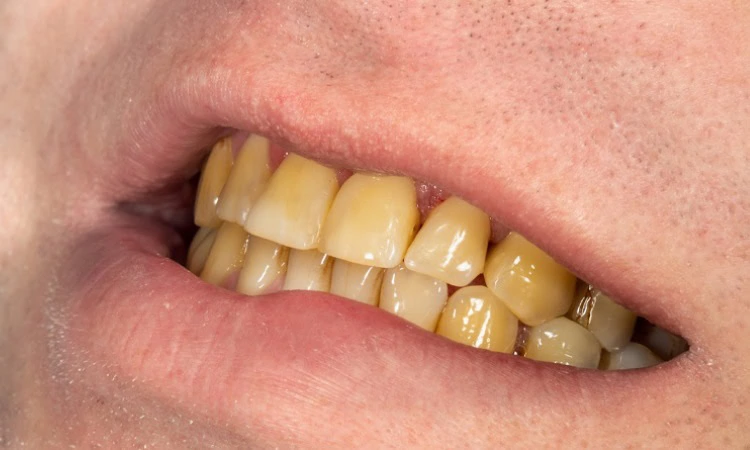

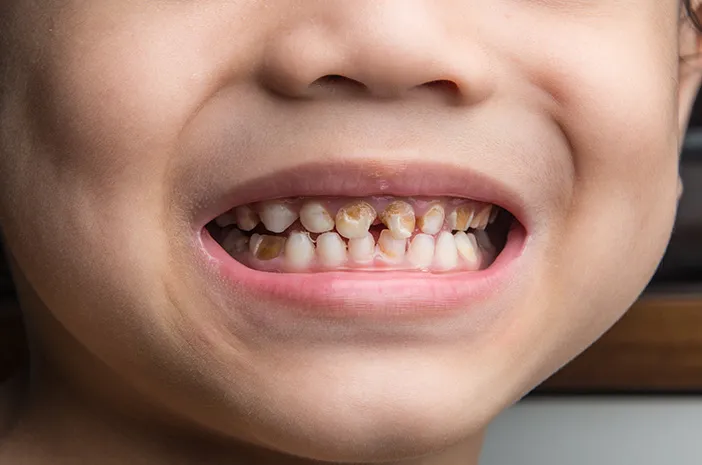
Tooth discoloration in children often worries parents. Teeth that turn yellow or brown, or that develop white spots, do not necessarily indicate serious tooth damage. In many cases, discoloration is caused by external factors such as food or poor oral hygiene. In some situations, however, discoloration can also be a sign of an enamel disorder, dental trauma, or another health problem.
Understanding what causes tooth discoloration in children helps parents take the right steps to protect their little one’s dental health.
What Is Tooth Discoloration?
Tooth discoloration is a change in the normal color of a tooth, affecting both baby teeth and permanent teeth.
In general, tooth discoloration is divided into two types:
1. Extrinsic discoloration
Stains that appear on the tooth surface due to plaque, food, drinks, or certain substances.
2. Intrinsic discoloration
Color changes that originate inside the tooth, caused by developmental disorders, trauma, medications, or certain medical conditions.
Causes of Tooth Discoloration in Children
1. Suboptimal Oral Hygiene
Buildup of plaque and tartar is the most common cause of tooth discoloration in children. If teeth are not cleaned regularly, stains can accumulate and make teeth look yellow or brownish.
2. Colored Foods and Drinks
Foods and drinks with strong pigments, such as tea, chocolate, colored beverages, or berries, can leave stains on the tooth surface, especially if oral hygiene is lacking.
3. Dental Trauma
A knock during play can damage the blood vessels inside a tooth. As a result, the tooth may turn gray, brown, or even blackish. In baby teeth, discoloration after trauma does not always mean the tooth has died, but it still needs to be evaluated by a dentist.
4. Certain Antibiotics
Tetracycline-class antibiotics taken while the teeth are forming can cause permanent intrinsic discoloration. For this reason, these medications are generally not given to children under 8 years old, except in specific medical situations.
5. Fluorosis
Excessive fluoride exposure while the teeth are forming can cause fluorosis, which shows up as white to brown spots on the enamel. Fluoride is still important for preventing cavities, but it should be used according to age and the recommended dose.
6. Enamel Development Disorders
Some children have problems with enamel formation, such as enamel hypoplasia or amelogenesis imperfecta. These conditions can make teeth look white, yellow, or brown, and more prone to damage.
When Should Parents Take Their Child to the Dentist?
See a dentist promptly if:
- The discoloration appears suddenly.
- A tooth turns gray or black after a blow.
- White, brown, or black spots appear that cannot be cleaned off.
- The discoloration comes with pain, swelling, or a loose tooth.
- The discoloration persists even though oral hygiene is good.
How Is Tooth Discoloration Treated?
Treatment depends on the cause.
Your dentist may recommend:
- Professional cleaning to remove extrinsic stains.
- Treatment of cavities if the discoloration is caused by caries.
- Monitoring of teeth that have suffered trauma.
- Restorative treatment, such as bonding or veneers in certain cases, mainly for permanent teeth with the right indication once the patient is an adult.
- Specialized care if there is an enamel developmental disorder or a systemic disease.
How to Prevent Tooth Discoloration in Children
A few simple steps can help keep your child’s teeth their natural color:
- Limit foods and drinks that can cause staining.
- Teach your child to rinse or drink water after eating colored foods.
- Avoid antibiotics without a medical indication.
- Use fluoride toothpaste and a toothbrush as recommended by your dentist.
- Have a dental check-up every six months.
Conclusion
Tooth discoloration in children can be caused by many factors, from plaque and food to trauma, fluorosis, and enamel developmental disorders. Most cases can be prevented by keeping the mouth clean and having regular dental check-ups. If discoloration appears suddenly, persists, or comes with other symptoms, consult a dentist right away to find the cause and get the right treatment.
Trusted References
- Kadam SJ, et al. Understanding the Reasons for Tooth Discoloration in Children and Their Management: A Narrative Review. European Journal of Dental and Oral Health.
- McTigue DJ. Pediatric Dentistry – Tooth Discoloration. Dental Clinics of North America.