
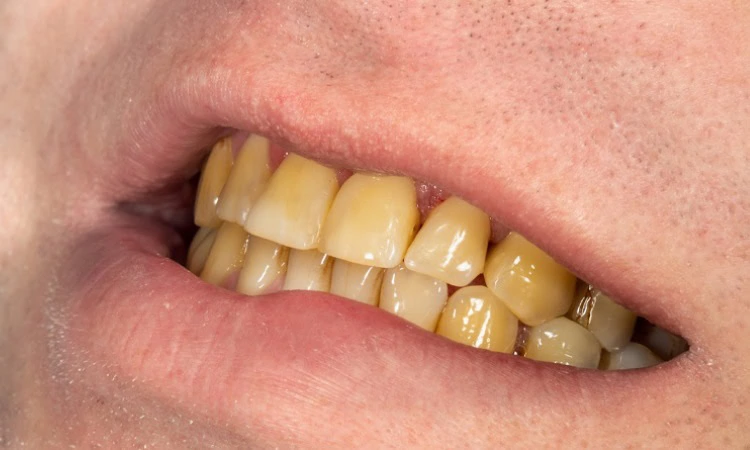
Ever looked in the mirror in the morning and felt your smile isn’t as bright as it used to be?
Teeth slowly turning yellow is actually very common, and almost everyone experiences it.
Many people immediately feel guilty and think, “Is it because I don’t brush well enough?”
The truth is, yellow teeth are not always caused by lazy brushing. There are many unexpected factors behind the changing color of your smile.
So you’re not left wondering, let’s go through the 7 main causes!
1. What We Eat and Drink Every Day
Think about your must-have morning drink. Coffee or tea? Both contain very strong natural pigments (called chromogens and tannins). When consumed every day, these pigments can cling to the outer layer of your teeth and leave stains.
Besides coffee and tea, soda, curry, tomato sauce, and sweet soy sauce can have the same effect if we don’t rinse right away.
2. Smoking or Vaping
If you smoke or use e-cigarettes, this is the number one enemy of white teeth. Nicotine is actually colorless, but it turns deep yellow when exposed to oxygen and can make teeth yellow very quickly.
3. Age (The Natural Thinning of the Tooth’s Outer Layer)
This is a natural factor we cannot avoid. Our teeth have two main layers:
The outer layer, called enamel (white).
The inner layer, called dentin (naturally yellow).
As we age, the outer white layer slowly thins from chewing food every day. Once it thins, the yellow of the inner layer starts to show through. So it’s perfectly normal for teeth to look a little yellower as we get older.
4. Genetics (Inherited from Your Parents)
Just like skin color or hair type, the base color of our teeth is also inherited. Some people are lucky enough to be born with thick, bright white enamel. Others genetically have thinner enamel, or dentin that has been more yellow since birth.
5. Side Effects of Past Medications
Some medications can actually change tooth color from the inside. One of the most common is the tetracycline or doxycycline class of antibiotics. If taken by pregnant women (in the second or third trimester) or by children under 8 while their teeth are forming, the teeth that grow in may turn yellow-brown or grayish.
6. Plaque and Tartar Buildup
If we don’t brush thoroughly, leftover food forms a sticky, bacteria-filled film called plaque. Left alone, plaque eventually hardens into tartar. Tartar acts like a sponge: it easily absorbs color from whatever we eat and drink. As a result, teeth look dull and yellowish.
7. A Past Knock or Tooth Injury
Have your teeth ever been hit hard during sports or an accident as a child?
An injury like this can damage the blood supply and nerve inside the tooth. As a form of self-defense, the inside of the tooth produces thicker new tissue, or the nerve dies, causing the tooth to turn dark yellow, gray, or blackish.
So, What Are the Best Solutions?
The good news is that you don’t have to just accept it. Treatment for yellow teeth is tailored by your dentist to the cause:
- Tartar Removal
If the yellowing is caused by plaque, tartar, and coffee or cigarette stains, professional scaling at the dentist is the first step you should take.
- Professional Teeth Whitening (Bleaching)
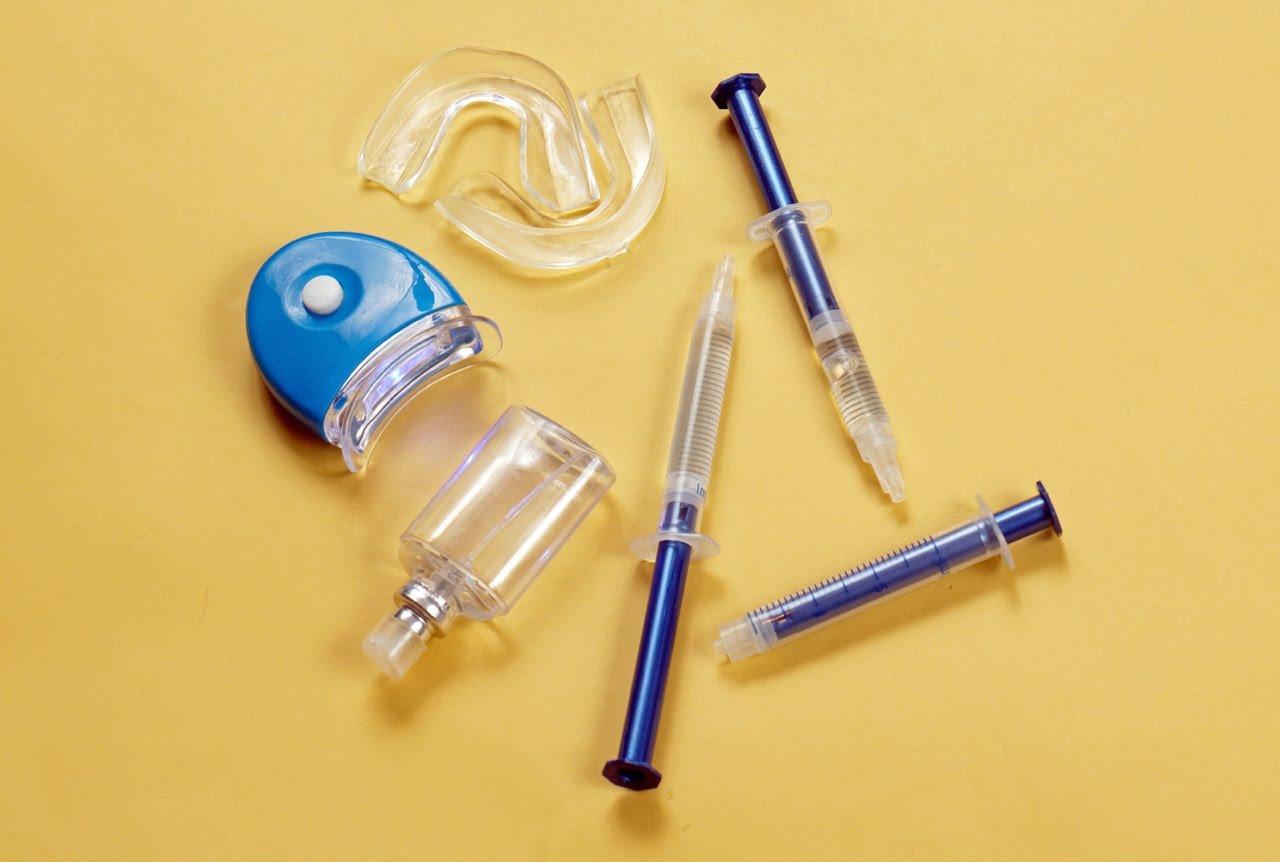
If the stains have already penetrated the enamel, your dentist can give you a bleaching treatment using a special, safe gel to restore the brightness of your teeth.
- Veneers or Crowns
If your teeth are yellow because of age, genetics, tetracycline, or nerve injury, the color comes from inside the tooth. The best solution is a veneer or crown that “covers” the yellow with a natural-looking white aesthetic layer.
Tips You Can Do at Home!
- After drinking coffee, tea, or eating colored foods, get in the habit of rinsing with plain water right away.
- Use a straw: When drinking iced coffee or soda, use a straw so the liquid doesn’t hit your front teeth directly.
- Brush and floss: Brush twice a day (in the morning after breakfast and at night before bed) and clean between your teeth with floss.
Let’s Schedule a Visit to the Dentist!
Don’t carelessly use instant over-the-counter teeth whitening products without supervision, because they can damage your tooth enamel. Consult our clinic about your dental condition to get the safest and most suitable solution!
Trusted References
- American Dental Association (ADA) – MouthHealthy: Tooth Discoloration. (A thorough explanation of the difference between external stains from food or smoking and internal stains from genetics or medication).
- Cleveland Clinic: Tooth Discoloration: Causes, Treatment & Prevention. (Details how enamel thins with age and how trauma affects the tooth’s nerve).
- WebMD Medical Reference: Dental Health and Yellow Teeth. (A practical guide to tartar, the effects of antibiotics, and treatment options such as scaling and veneers).