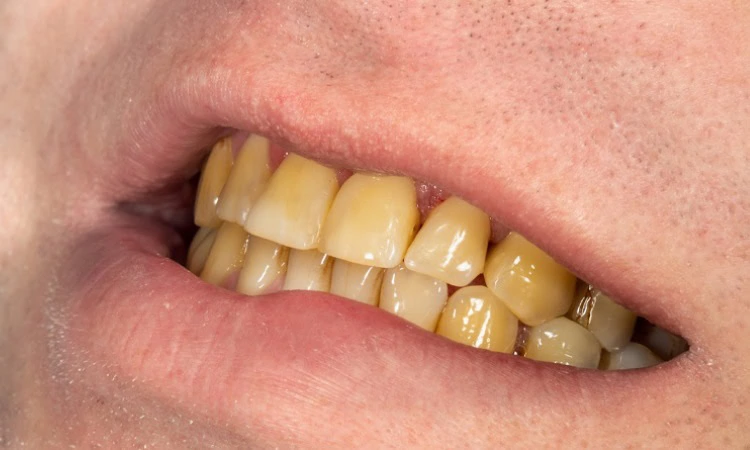


Straight teeth are something many people dream of. Besides boosting confidence, a well-aligned smile also plays an important role in oral health. But not everyone wants braces, whether for aesthetic reasons or comfort. So is it really possible to get straight teeth without braces?
The answer is yes, but it depends on the condition of your teeth. Today there are several alternatives that can improve the look of your teeth without conventional braces.
Can You Get Straight Teeth Without Braces?
Not every case needs orthodontic treatment with braces. If your concern is mild, your dentist may recommend a simpler solution. But for severely crowded teeth, a misaligned bite, or jaw problems, braces or other orthodontic treatment remain the best option.
That is why an in-person examination by a dentist is the most important first step.
Ways to Straighten Teeth Without Braces
1. Clear Aligners
Clear aligners are a series of transparent trays designed to move your teeth gradually. They can be removed for eating or brushing, which makes them more comfortable than conventional braces.
Advantages
- Almost invisible when worn.
- Easy to remove and clean.
- More comfortable because there are no wires.
2. Dental Veneers
If your main goal is to improve the look of slightly uneven teeth, veneers can be a solution. Veneers are thin shells bonded to the front surface of the teeth, creating the illusion of a more even smile.
Keep in mind that veneers do not change the position of your teeth; they improve their appearance cosmetically.
3. Tooth Contouring or Reshaping
In some cases, a dentist can remove a small amount of enamel to improve the shape of a tooth so it looks more symmetrical. This is only done when the enamel is thick enough for it to be safe.
Who Is a Good Candidate for Treatment Without Braces?
Alternatives to braces are usually suitable for people who have:
- Small gaps between teeth.
- Mild irregularities in tooth alignment.
- Teeth with disproportionate shapes.
- A desire to improve their smile without lengthy orthodontic treatment.
However, if there is a bite problem (malocclusion) or a complex tooth position, your dentist will likely recommend more comprehensive orthodontic treatment.
What to Consider
Before choosing any method, consider the following:
- The severity of the dental problem.
- The goal of treatment (aesthetics or function).
- The length of treatment.
- Your budget.
- Your dentist’s recommendation.
Every method has strengths and limitations. That is why the best solution is the one tailored to each patient’s clinical condition.
Tips for Maintaining Your Results
Once your teeth are straighter, keeping the results is just as important as the treatment itself. Some steps you can take:
- Brush at least twice a day.
- Floss every day.
- Cut back on foods and drinks that cause stains.
- See your dentist for a check-up every six months.
- Wear the retainer your dentist recommends.
Conclusion
Getting straight teeth without braces is possible in certain cases. To get optimal and safe results, consult a dentist first. With the right diagnosis, you can choose the method best suited to a healthy, comfortable, and more confident smile.
Trusted References
- British Orthodontic Society (BOS) – Explains alternatives to braces, including clear aligners, veneers, and their limitations. https://bos.org.uk/patients/treatments/orthodontics-for-adults/everything-you-need-to-know-before-having-your-teeth-straightened/
- Forbes Health – How to Straighten Your Teeth Without Braces. Reviews various ways to straighten teeth without braces based on dentists’ opinions and a summary of scientific research.
- BMC Oral Health. Ke Y, Zhu Y, Zhu M. A comparison of treatment effectiveness between clear aligner and fixed appliance therapies. BMC Oral Health. 2019;19:24. A study comparing the effectiveness of clear aligners with conventional braces.