
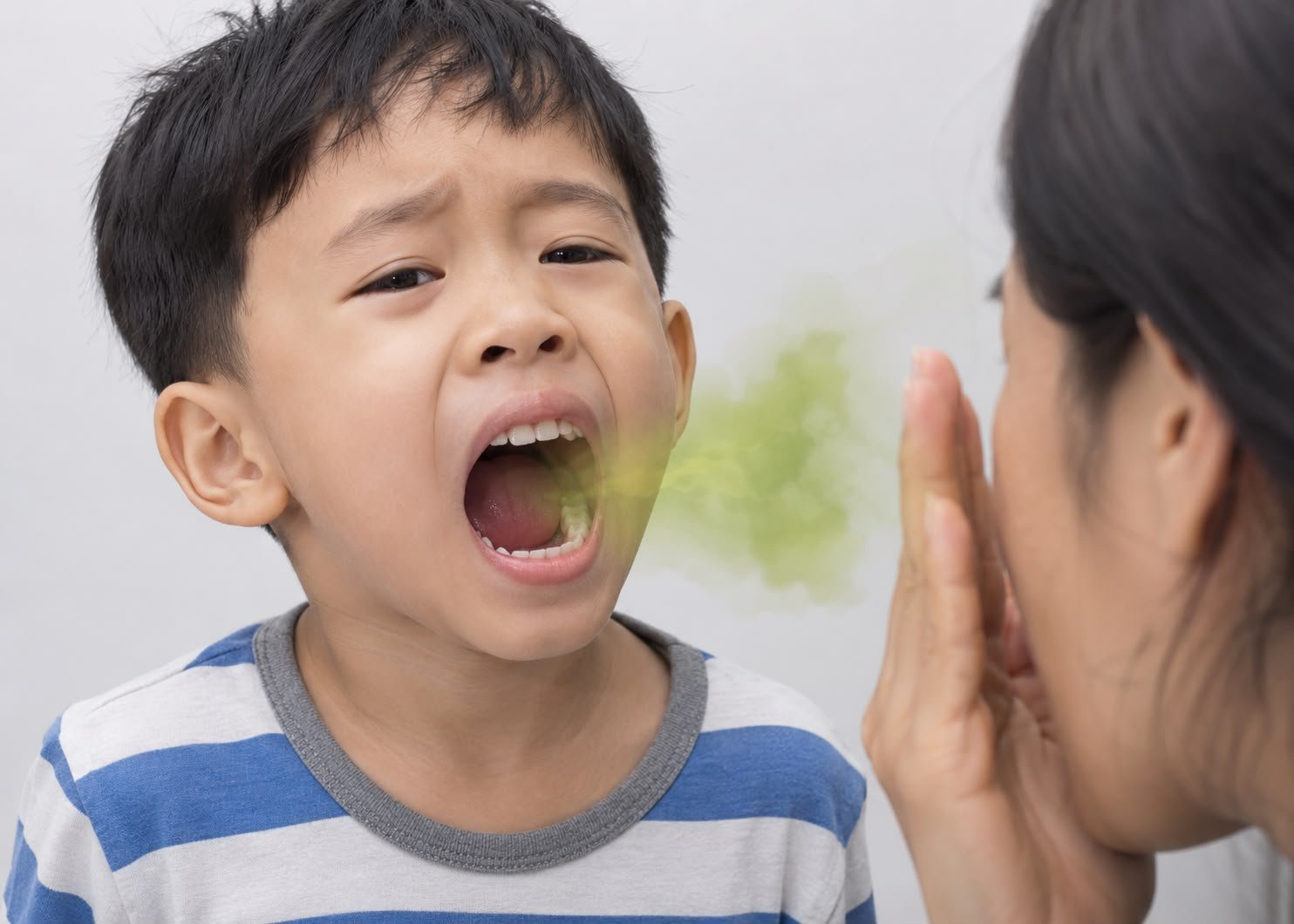
Bad breath, or halitosis, in children is a fairly common concern for parents. While it is often caused by suboptimal oral hygiene, persistent bad breath can also signal other health problems that need further examination.
Understanding the causes and how to treat bad breath early can help protect your child’s oral health and boost their confidence when interacting with others.
What Causes Bad Breath in Children?
Most cases of bad breath originate in the mouth. Bacteria that break down food debris and protein produce sulfur compounds, which cause the unpleasant odor.
However, several other factors can also play a role.
1. Poor Oral Hygiene
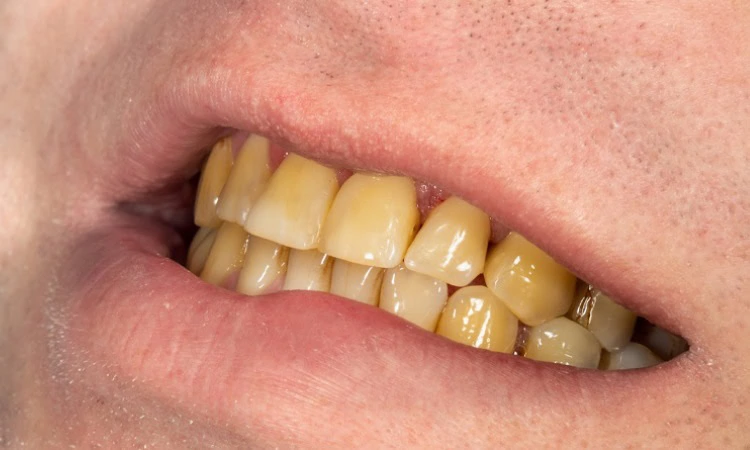
The most common cause is plaque buildup from tooth brushing habits that are not yet thorough. Food debris left between the teeth and on the tongue becomes a breeding ground for the bacteria that cause bad breath.
2. An Uncleaned Tongue
The surface of the tongue has many tiny crevices that trap bacteria, dead cells, and food debris. If the tongue is not cleaned regularly, bacteria will produce an unpleasant odor.
3. Dry Mouth
Saliva naturally cleans the mouth. When saliva production drops, for example from not drinking enough water or breathing through the mouth, bacteria multiply more easily and cause bad breath.
4. Cavities or Gum Inflammation
Tooth decay and inflamed gums can become gathering places for the bacteria that cause bad breath. In addition, your child may complain of pain when chewing or brushing.
5. Ear, Nose, and Throat Infections
Tonsillitis, sinusitis, throat infections, and even foreign objects lodged in the nose can cause persistent bad breath in children.
How to Treat Bad Breath in Children
Most cases of bad breath can be resolved by improving oral hygiene habits. Here are some things to pay attention to:
- Teach proper brushing: Make sure your child brushes for two minutes, twice a day, with an age-appropriate fluoride toothpaste. Parents should keep supervising until the child can brush properly on their own.
- Clean the tongue: Cleaning the surface of the tongue with a toothbrush or tongue cleaner helps reduce the bacteria that cause bad breath.
- Drink more water: Staying hydrated increases saliva production so the mouth stays naturally clean.
- Cut back on sugary foods: Foods and drinks high in sugar speed up the growth of bacteria that cause plaque and cavities. Limiting sugar helps protect your child’s oral health.
- Have regular dental check-ups: A check-up every six months lets the dentist detect cavities, gum inflammation, or other problems before they become more serious.
When Should Parents Be Concerned?
See a dentist or pediatrician promptly if the bad breath:
- Does not improve despite good oral hygiene.
- Comes with cavities or bleeding gums.
- Comes with fever, a sore throat, or swollen tonsils.
- Comes from one side of the nose along with foul-smelling discharge, especially in toddlers.
- Lasts for several weeks without a clear cause.
Tips to Prevent Bad Breath in Children
Prevention is always better than cure.
These simple habits can help keep your child’s breath fresh:
- Brush twice a day.
- Clean the tongue every day.
- Use dental floss once your child’s teeth are touching each other.
- Drink enough water.
- Eat a balanced, nutritious diet.
- Limit sweet snacks and sugary drinks.
- Have a dental check-up every six months.
Conclusion
Bad breath in children is usually caused by a buildup of bacteria from poor oral hygiene. It can also be related to cavities, dry mouth, or infections of the nose and throat. By keeping the teeth and tongue clean, making sure your child drinks enough water, and scheduling regular dental check-ups, most cases of bad breath can be prevented and treated.
If bad breath persists despite good oral hygiene, or comes with other symptoms, do not hesitate to consult a dentist so the cause can be identified and treated properly.
Trusted References
- Nunes C, et al. Etiology of halitosis in pediatric dentistry. International Journal of Paediatric Dentistry. 2022.
- Medical News Today. Bad breath in kids: What to do for toddlers, infants, and children.