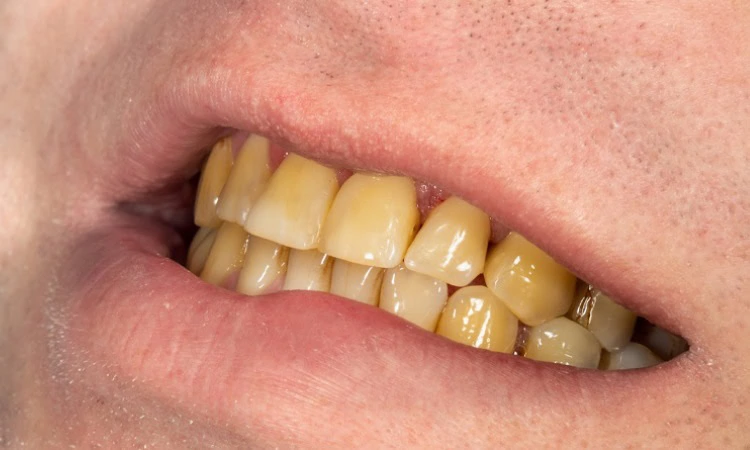

A bright smile and clean white teeth can certainly boost our confidence. Thanks to advances in dental technology, getting the smile of your dreams is no longer difficult.
The two most popular and safe whitening methods are In-Office Bleaching (at the dental clinic) and Home Whitening (done by yourself at home).
But patients are often unsure: “Which one is right for me?”
Let’s compare them, from how they work to their pros, cons, and results!
1. In-Office Bleaching (at the Clinic)
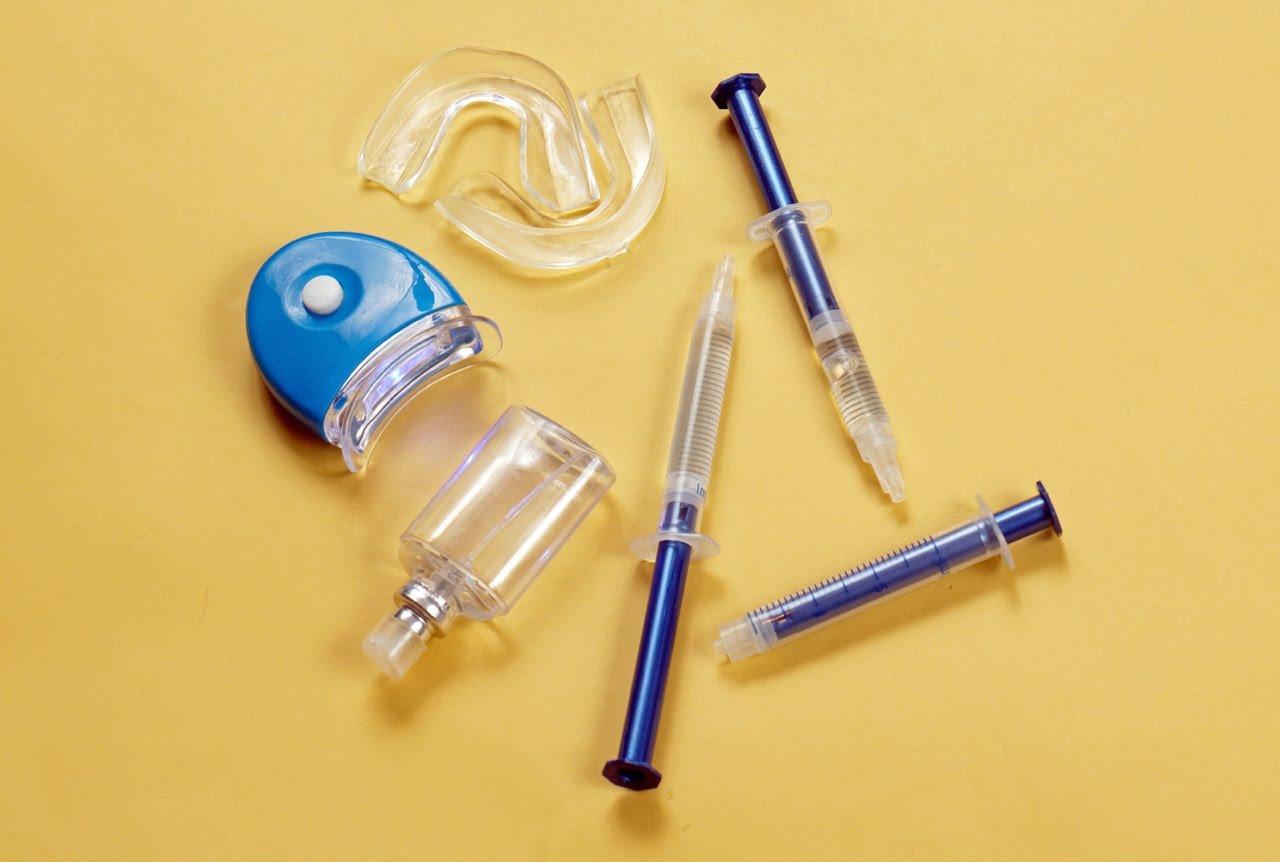
This procedure is performed entirely by the dentist in the treatment room, using a high-concentration whitening gel that is often activated with a special laser or LED light.
Pros
- Very fast results: Teeth can look several shades whiter in a single visit (about 45–60 minutes).
- Very safe and controlled: Your gums and oral tissues are protected with a special barrier (gingival barrier) before the gel is applied, so the risk of irritation is minimal.
- Handled by an expert: You simply sit back and let the dentist work with precision.
Cons
- Higher cost: Because it uses special light technology and high-concentration medical materials at the clinic, it is relatively more expensive.
- Instant sensitivity: Because the process is quick and intense, some patients may feel tooth sensitivity during or for a few hours after the procedure, although it usually fades within 1–2 days.
Result: Instant and significant.
2. Home Whitening (Done by Yourself at Home)
Although done at home, this method is different from over-the-counter whitening products. Your dentist makes a custom tray for your teeth and gives you a whitening gel at a safe strength to apply yourself at home over several days or weeks.
Pros
- Comfortable: You can do it while relaxing in front of the TV or before bed, on your own schedule.
- More affordable: Generally, it is easier on the wallet than instant treatment at the clinic.
- Minimal sensitivity: Because the gel concentration is lower and the process is gradual, the risk of sensitivity is usually much milder.
- Reusable tray: You can keep your custom tray. If you want to brighten your teeth again later (a touch-up), you only need to buy more gel from your dentist.
Cons
- Takes time and commitment: Results are not instant. You need to wear the tray for 1–2 hours a day (or overnight) for 1 to 2 weeks in a row.
- Results depend on discipline: If you often forget or can’t be bothered to wear it, the results will not be at their best.
Result: Gradual. The best results usually appear after 10 to 14 days of regular use.
How Long Do the Results Last?
With both in-office bleaching and home whitening, the results are not permanent. The brightness typically lasts between 6 months and 2 years.
How long it lasts depends heavily on your lifestyle after treatment. If you smoke often, or drink coffee, tea, or eat curry, your teeth will turn yellow again faster.
Conclusion & Dentist’s Advice
- Choose in-office bleaching if you have an important event coming up soon (such as a wedding or job interview) and need instant results.
- Choose home whitening if you have sensitive teeth, have spare time and commitment at home, and want a more economical solution.
Before choosing, have your teeth examined first.
Our dentists will make sure your teeth are free of cavities and tartar before whitening begins, so you get the best results with no sensitivity!
Trusted References
- American Dental Association (ADA) – Statement on Tooth Whitening: Explains the difference in effectiveness and safety between high-concentration use at the clinic and gradual at-home use (at-home bleaching under dentist supervision).
- Cleveland Clinic – Tooth Whitening: A guide to the pros, cons, sensitivity side effects, and durability of results for both whitening methods.
- Journal of Evidence-Based Dental Practice: A comparative study showing that both methods are equally effective in the end, but with different timelines and levels of patient comfort.